





Company
We build the half of your product that isn't your product.
CarHub is 23 inference endpoints, 4 SDKs and 9 data domains behind one key. We built it because we needed it, and then kept meeting teams who were building it again from the start. Teams can integrate that platform directly or use it to create a managed CarHub App.
Vehicle intelligence, as infrastructure · 3 layers · one key, one schema, one invoice
Why we exist
Every vehicle product ships the same detour.
Nobody sets out to build a computer vision team. It happens on the way to something else, because the thing you actually promised your customer turns out to sit behind three specialisms you did not plan to hire for.
- Listings that convert
- A 360 viewer, in WebGL
- Claims settled in a day
- A camera flow for people who have never photographed a car
- Damage priced consistently
- A damage model, and a labelling operation to feed it
- One product, eight countries
- Eight data providers, eight schemas
The detour is expensive in a specific way: each piece is somebody's whole career. WebGL, computer vision, and 9 data domains whose best source changes at every border. We took the detour once, kept the road, and now sell the road.
What we build
Three layers, and nothing that assumes you took all three.
The stack is deliberately separable. Most customers arrive for one layer and stay for the key.

Layer 1
Components
The front end your customer sees
Four SDKs — player, capture, review, report — shipped for Web, iOS and Android, so nobody on your team writes a WebGL viewer or a guided-capture camera flow.
Open Layer 1 →
Layer 2
Models
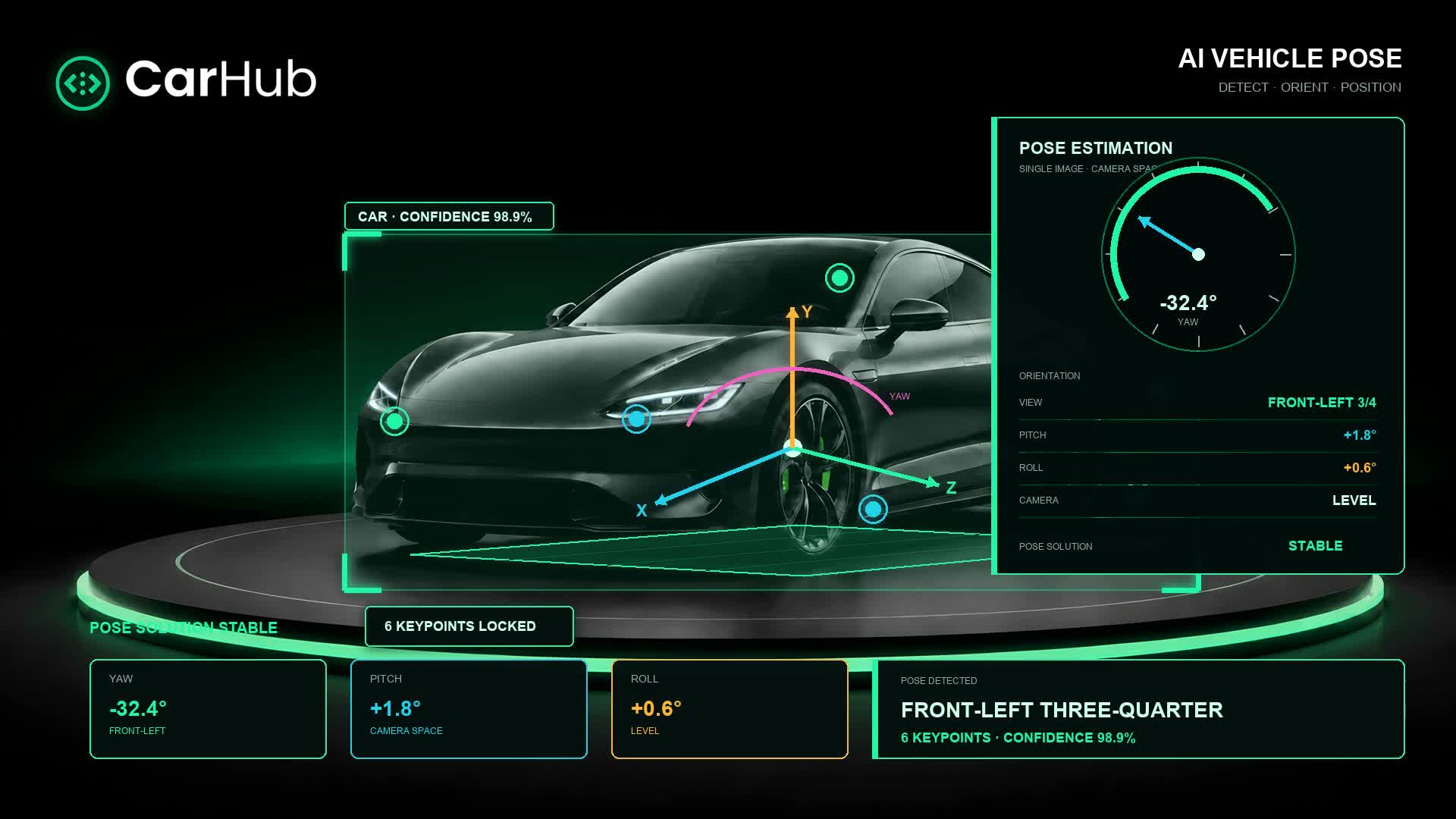
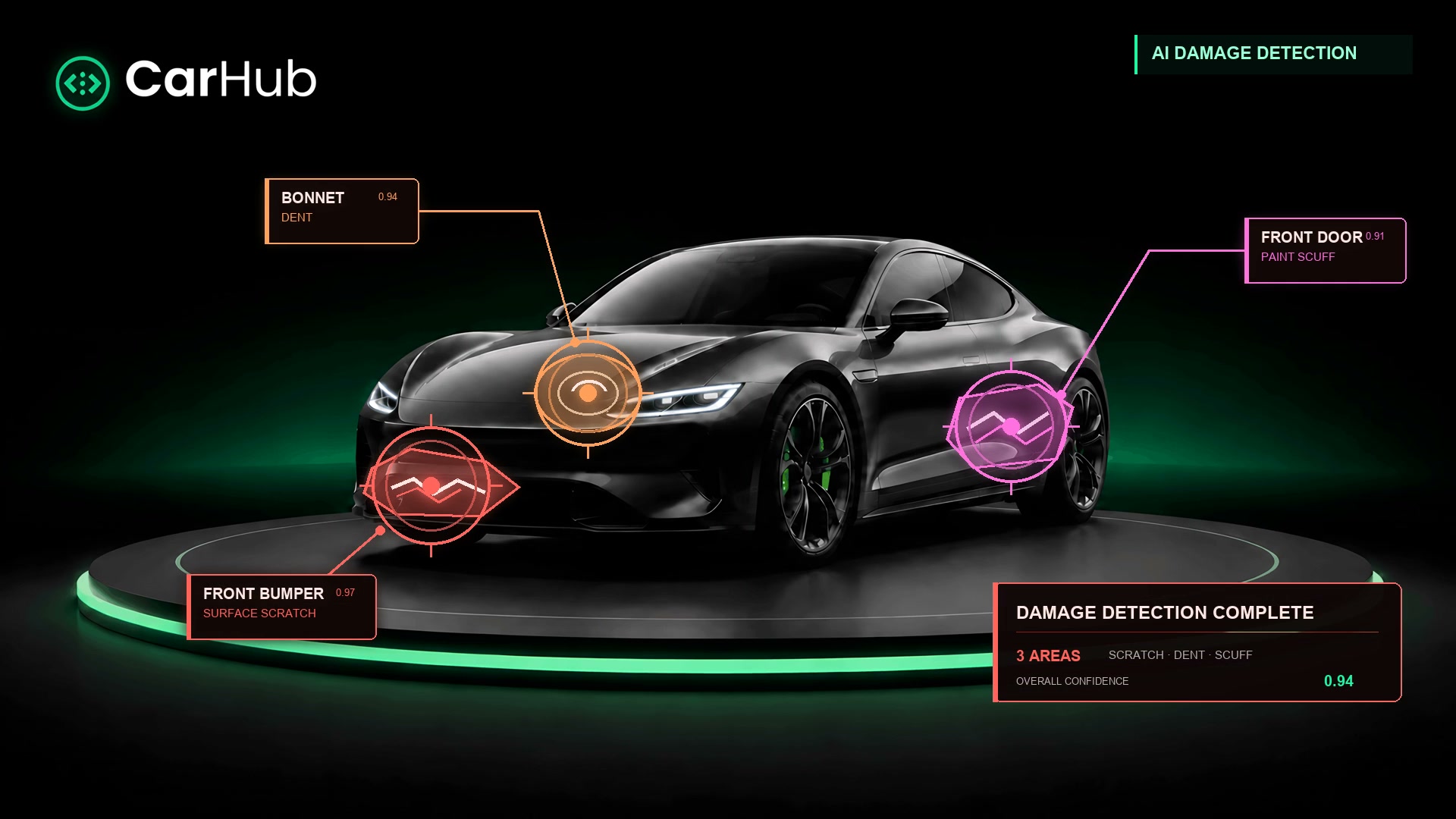
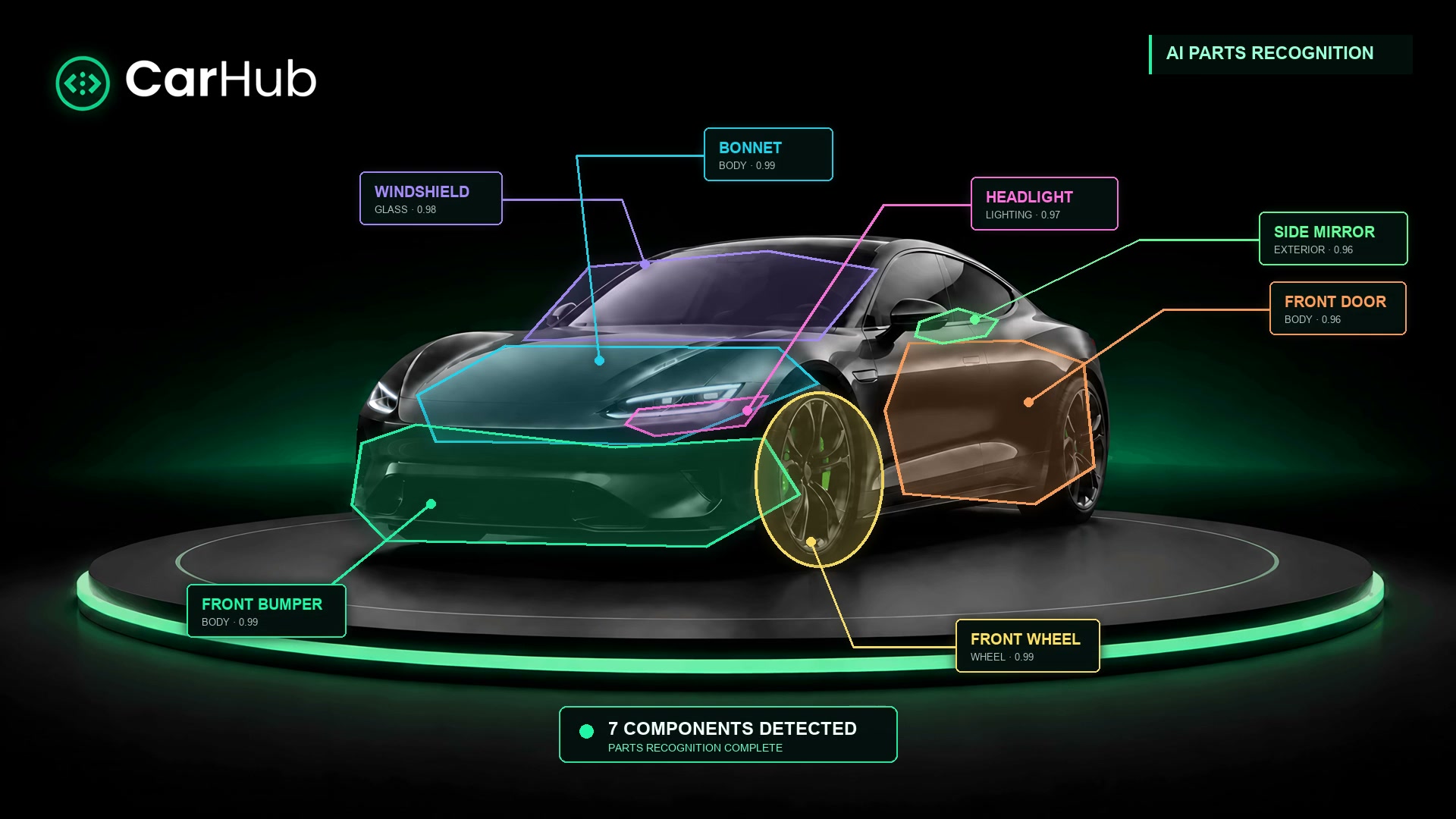
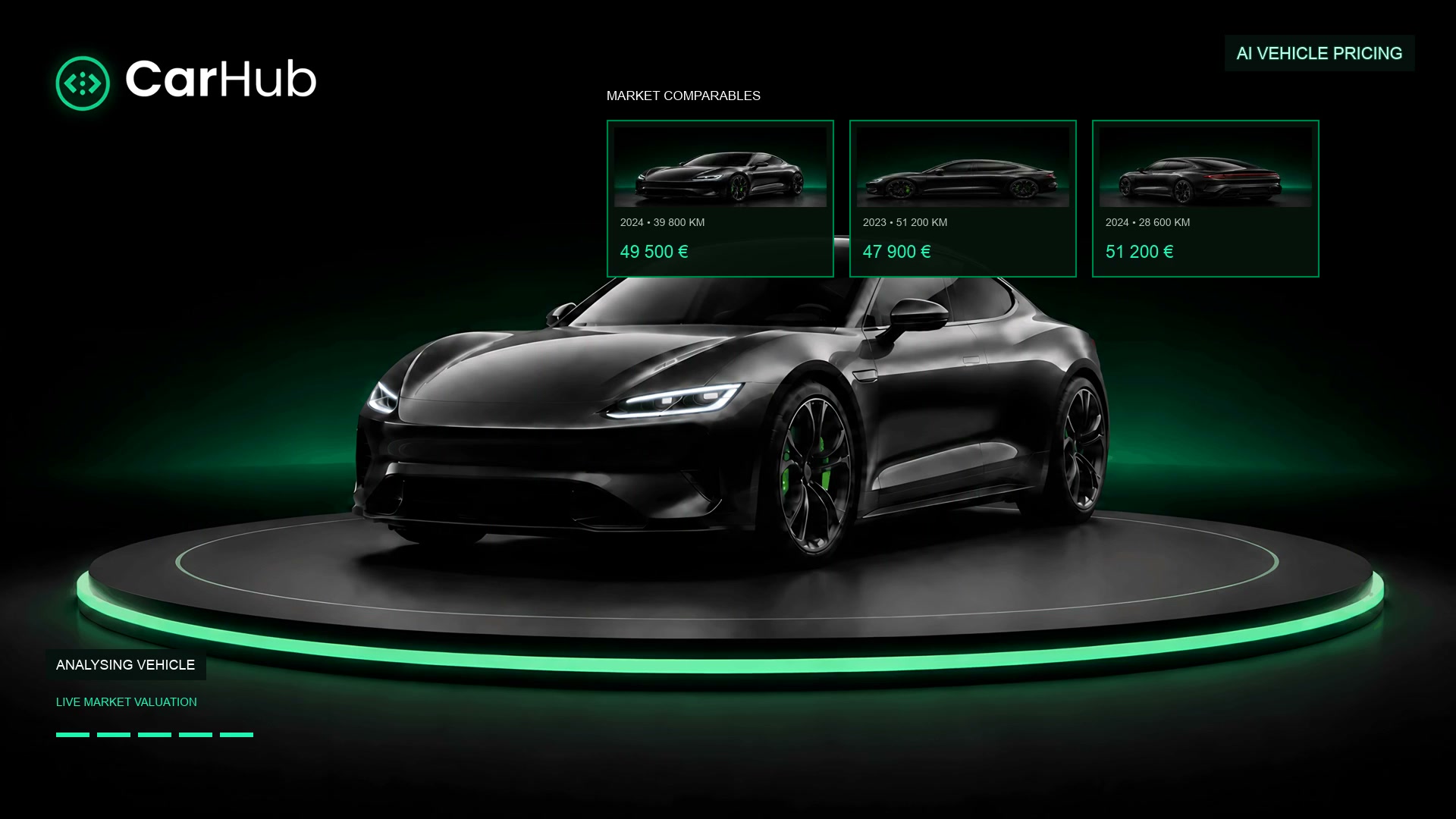
23 inference endpoints
Each endpoint is priced and rate-limited on its own. Call one in isolation, or chain the set — nothing assumes you adopted the others.
Open Layer 2 →
Layer 3
Data
9 domains, one schema
Sourced from supported vehicle-data providers, then normalised into one schema behind the same key. You integrate one contract instead of provider-specific formats.
Open Layer 3 →How we work
Commitments, not values.
Each of these is checkable against the platform today, which is the only kind of principle worth printing.
- Endpoint by endpoint
- All 23 endpoints are priced and rate-limited on their own. Taking one is not taking the stack, and starting with one is the way we would do it.
- Async by default
- Inference takes as long as it takes. Poll the job or take the webhook — watching it never costs anything either way.
- One schema, 9 domains
- The best source of vehicle data changes at every border. Your integration should not have to.
- Rendered, not just returned
- A JSON damage list is not something a customer can look at. Layer 1 exists so nobody writes the viewer twice.
- We run it ourselves
- 3 client targets ship as real SDKs because that is how we run our own app.
- A human stays in the loop
- Model output is an estimate. The review UI ships alongside the models, because a decision is not an estimate.
Who we build for
Five industries with the same vehicle underneath.
The questions differ — what is it worth, what is damaged, who is liable, will it sell — but they all start by looking hard at a car.
Company details
The paperwork.
The registered entity behind the platform, and the two addresses that reach a human rather than a queue.
What we do with data is written out in the privacy policy; what the key entitles you to is in the terms of service.
- trading as
- CarHub
- registered
- Carhub, Inc.
- entity
- Delaware corporation
- file no.
- 10748504
- address
- 390 NE 191st St, STE 75548, Miami, FL 33179, United States
- privacy
- privacy@trycarhub.com
- legal
- legal@trycarhub.com
Start with one endpoint.
Send a photograph to one endpoint and read the response. Everything else on this site is the same key.