




Rental & vehicle sharing
Settle the scratch at the counter, not by email three weeks later.
A check-out inspection and a check-in inspection, both captured on a phone, both anchored to the same part map — so the difference is a set of parts instead of an argument.
Rental desks, car-sharing operators and anyone handing over keys at volume
Today
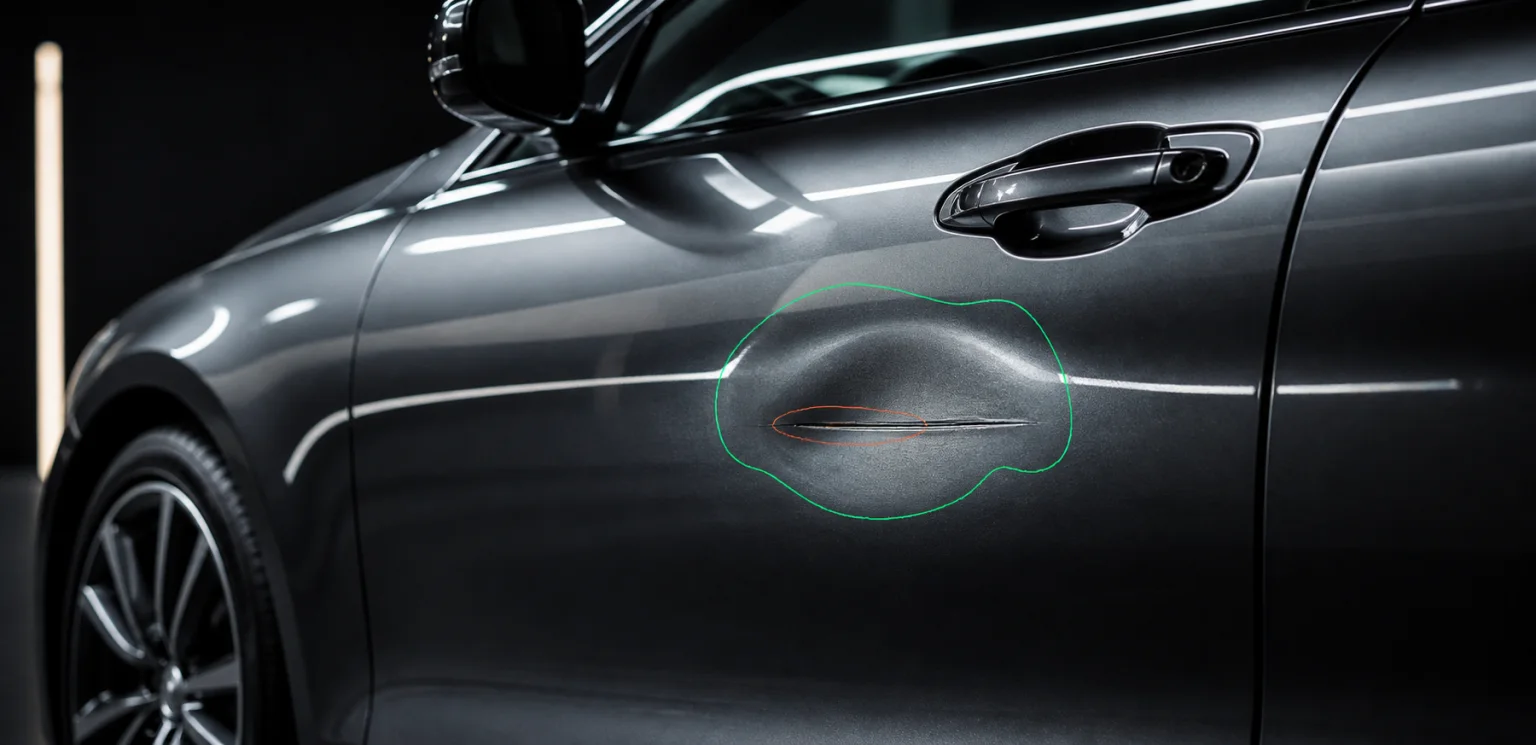
The customer says the scratch was already there. The agent says it wasn’t. Nobody photographed that panel at check-out.
What changes
- Two inspections in one schema, keyed to the same parts, timestamped at both handovers.
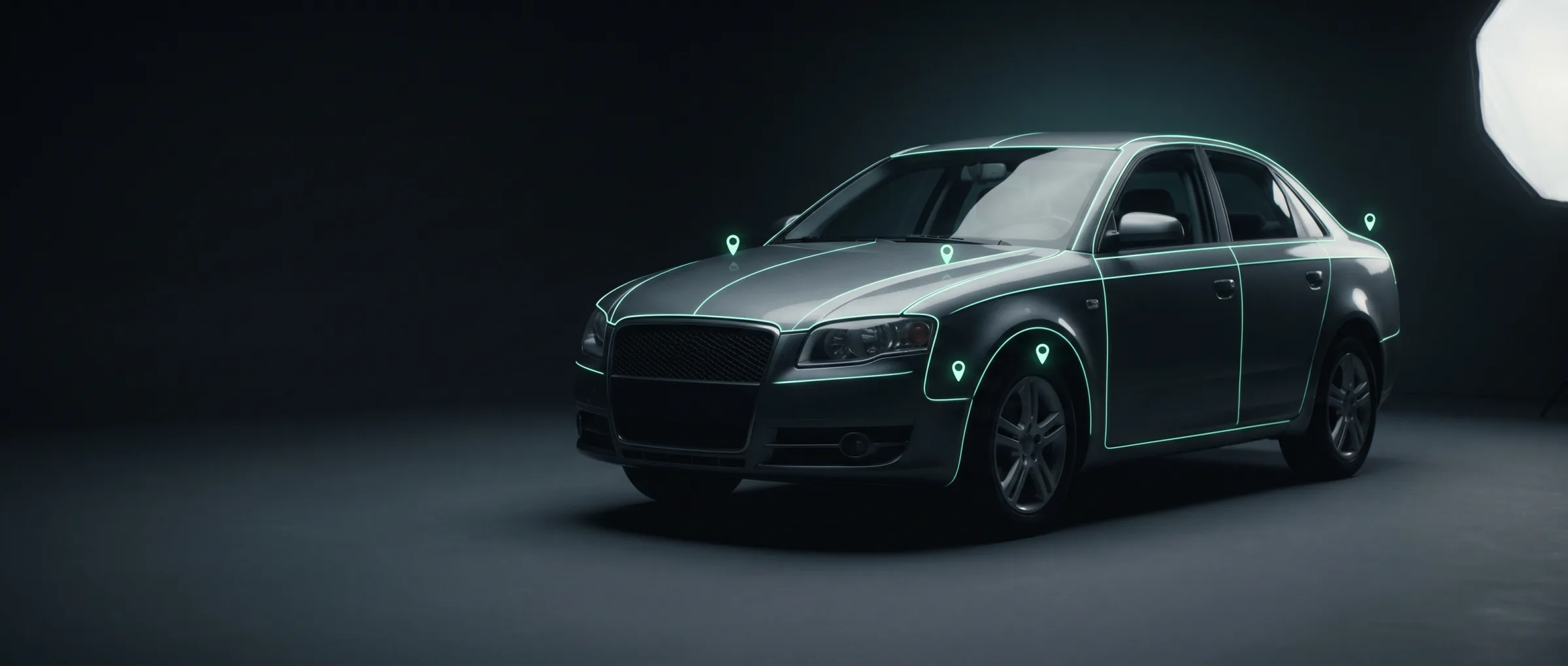
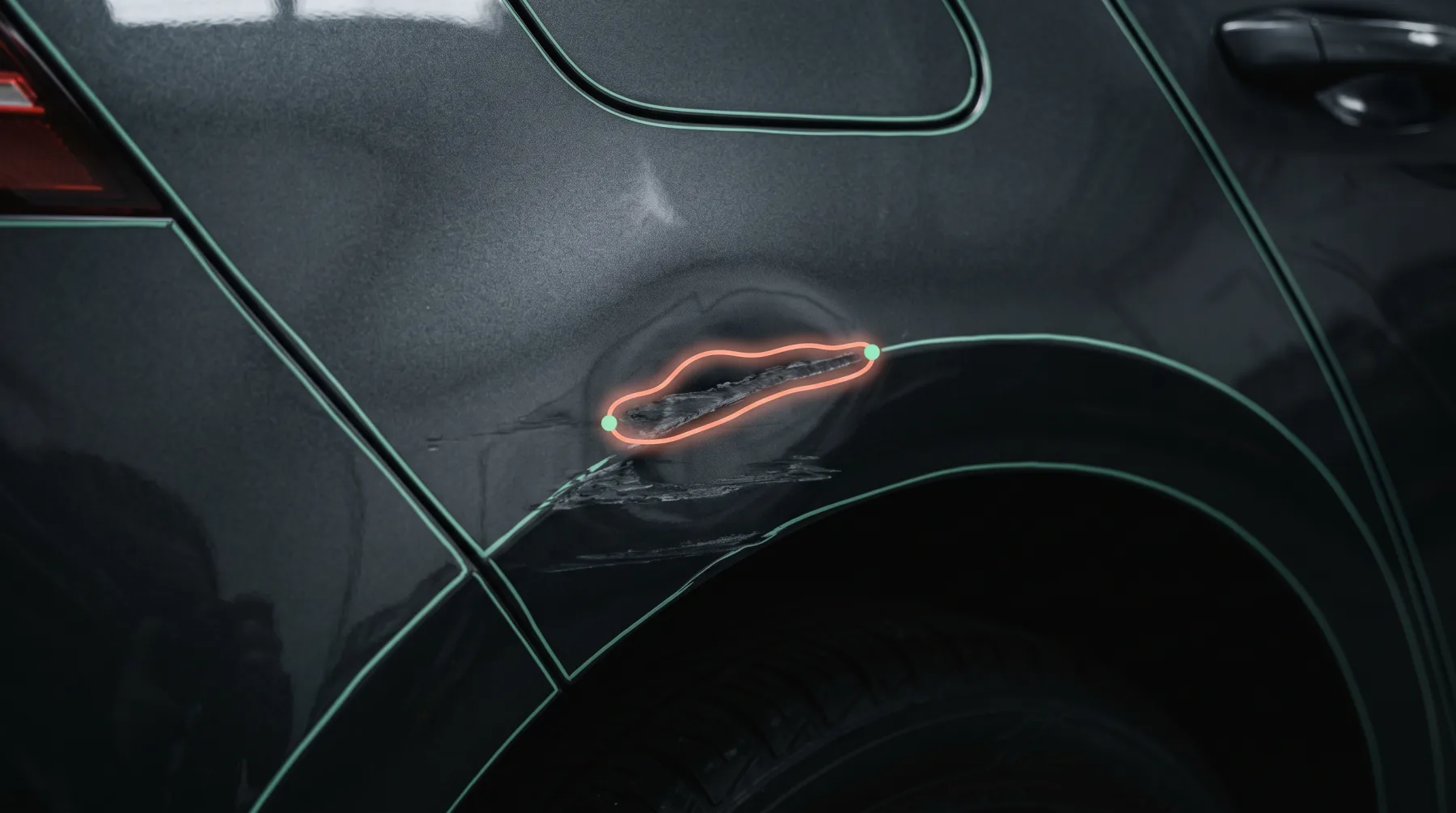
- A report the customer can look at, with the damage pinned on the car instead of described in a paragraph.
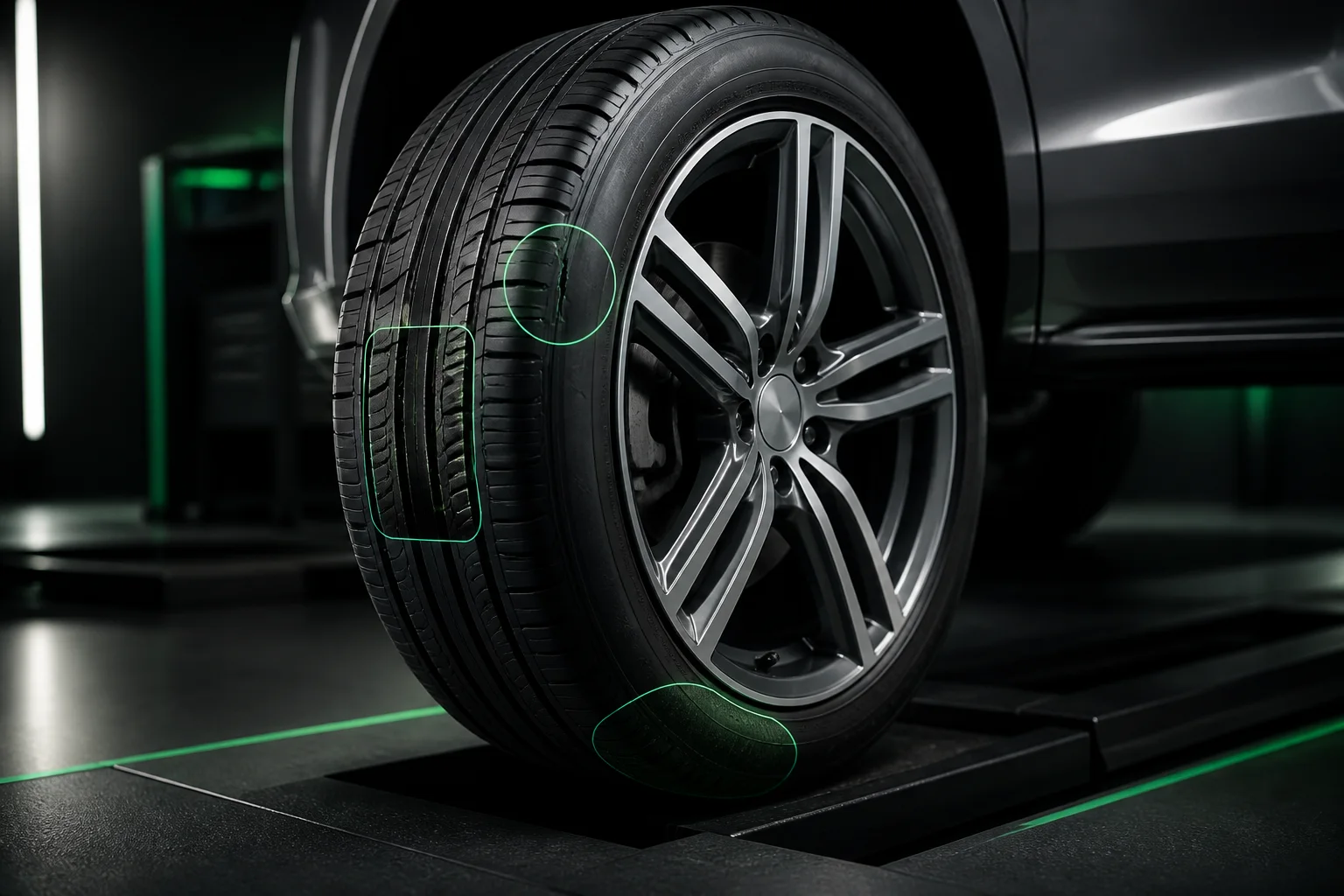
- Tire wear graded on its own, because it bills differently from a dented door.
Where it starts
One endpoint, before you commit to anything.
Both ends of the rental run the identical call. The Capture SDK walks a customer or an agent through a complete shot set, so the evidence exists before the dispute does.
the first call
per vehicle
POST/v1/inspections
model: the bundle — eight stages
async by default · webhook or poll · independently rate-limited
The chain
The flow that first call sits in.
Each row is a real endpoint, priced and rate-limited on its own. Call one, call the set, or let /v1/inspections chain them for you.
- 01Capture SDK
Layer 1 component
A non-expert is walked through the shot set — the piece nobody wants to build twice
- 02POST/v1/video/onboard
video-onboarding · per video
One walkaround, indexed into frames by position, at both handovers
- 03POST/v1/parts/decompose
parts-decomposition · per vehicle
The same component map on both inspections — this is what makes them comparable at all
- 04POST/v1/damage/detect
damage-detection · per image
Damage located and typed on each pass, keyed to those parts
- 05POST/v1/damage/severity
severity-estimation · per detection
Fair wear separated from something you would actually charge for
- 06POST/v1/pricing/repair
reparation-pricing · per vehicle
A number per new damage, against your rate card rather than a fixed fee schedule
- 07POST/v1/viewer/hotspots
viewer-hotspoter · per image
Each damage anchored on the vehicle, tappable in the report you show the customer
Across the stack
What this path draws on, layer by layer.
Layer 1 · Components
all →- Capture SDK
- Camera flow that guides a non-expert through a complete shot set, start to finish
- Review SDK
- Human-in-the-loop validation and correction of model output
- Report SDK
- Composed condition report, customer-branded, web or export
- Player SDK
- Embeddable 360° inspection viewer — drops into your own site against a tokenised report URL
Layer 3 · Data
all →- Identity
- VIN decode, build sheet, factory options, plate → VIN lookup
- Specs
- Technical data, equipment, dimensions, powertrain
- Parts
- OEM references and catalogues — feeds pricing/repair
Where it goes
Then the same key runs the fleet
Disputes are the reason you integrate. What accumulates afterwards is a condition record per VIN that the rest of the business turns out to want.
Keyless handover
plate-reader opens and closes the loop with no agent present
Your fair-wear policy, encoded
severity-estimation thresholds and tire-detection carry your rules instead of a desk agent’s judgement
Condition over time
Inspections accumulate per vehicle, so degradation is a curve rather than an anecdote
Remarketing
The final inspection renders listing imagery when the car leaves the fleet
What we do not claim
There is no “compare two inspections” endpoint, and we would not trust one that hid its arithmetic. What the platform guarantees is that both inspections carry the same part decomposition and the same damage schema — the delta is a set difference over part IDs, computed by your rules, in your system.
Other paths
Same key, different first call.
Marketplaces & DMS
Classifieds, marketplaces, dealer groups and the DMS vendors behind them
Listing photos come from whoever was holding the phone. Six sellers, six driveways, six exposures — one inconsistent results page.
See the path →Dealerships & dealer groups
Franchised and independent dealers, dealer groups and used-vehicle operations
Fresh inventory waits for photography, appraisal and data entry before it can appear online — and every rooftop presents it differently.
See the path →Insurance & claims platforms
Insurers, MGAs, claims platforms and the assessors working inside them
A policyholder sends eight photos. An assessor opens them one at a time to decide whether this is a bumper scuff or a total loss.
See the path →Auctions & logistics
Auction houses, remarketers, transporters and the yards in between
A car changes hands four times between the yard and the buyer, and the only condition record is a paper sheet somebody filled in at dusk.
See the path →Start with /v1/inspections
One call, on your own data, before anything in your product changes.