


Datasets

Millions of vehicle photographs. Annotated or raw.

The corpus our own 24 endpoints were trained on, licensed out for teams training theirs. Real capture conditions from real inspections — phone cameras, forecourts, driveways and bad weather — not a studio set.

Sample before scope · licensed for training · plate neutralisation on request

Two ways to take it

With our labels, or with none at all.

Labelling is the expensive half of a vision project. Take ours and skip it, or take the imagery and apply your own standard.

Annotated

Labelled

The same labels our own models train against — masks, types and grades, checked by the review flow rather than crowd-sourced once and shipped.

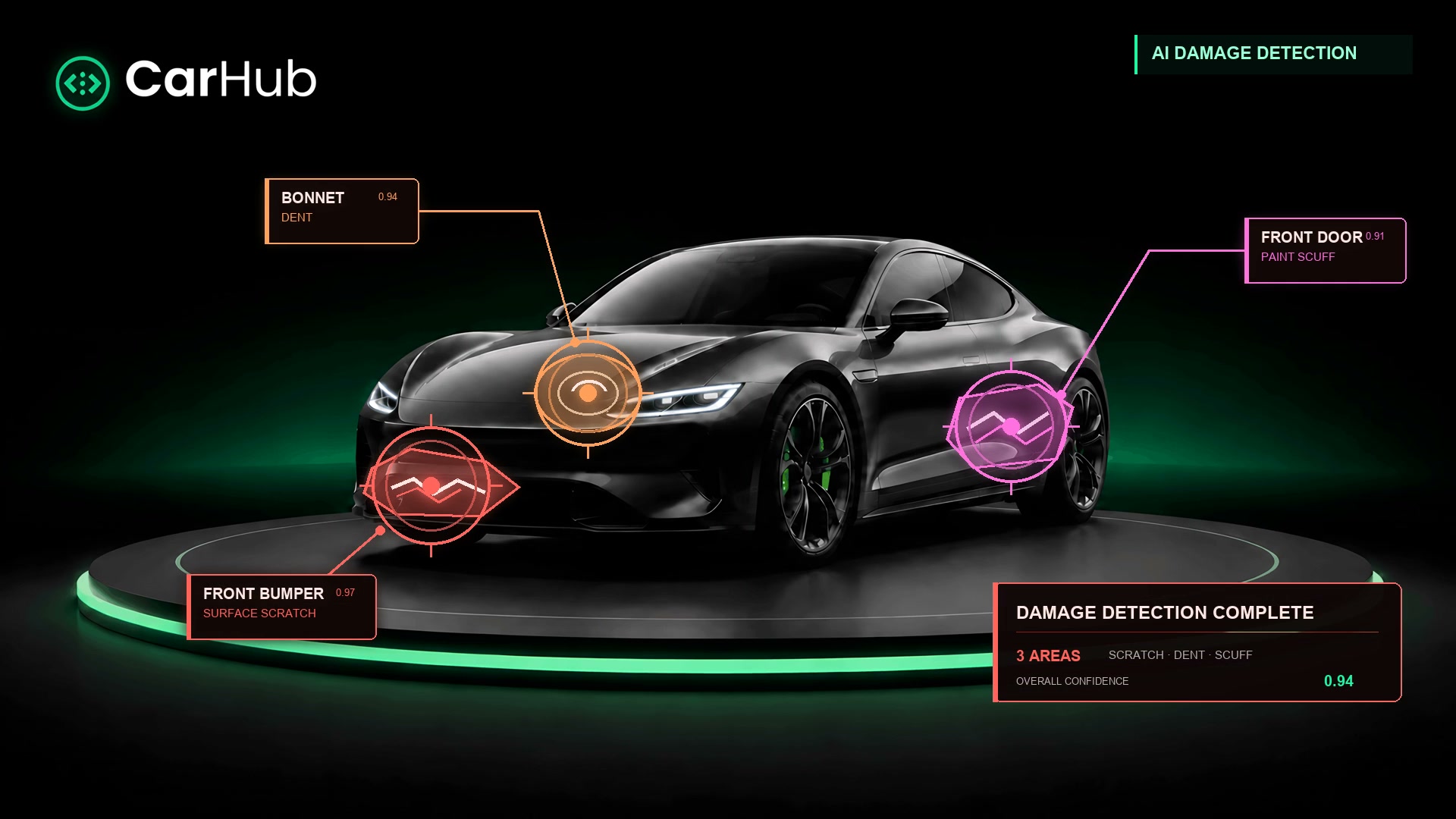
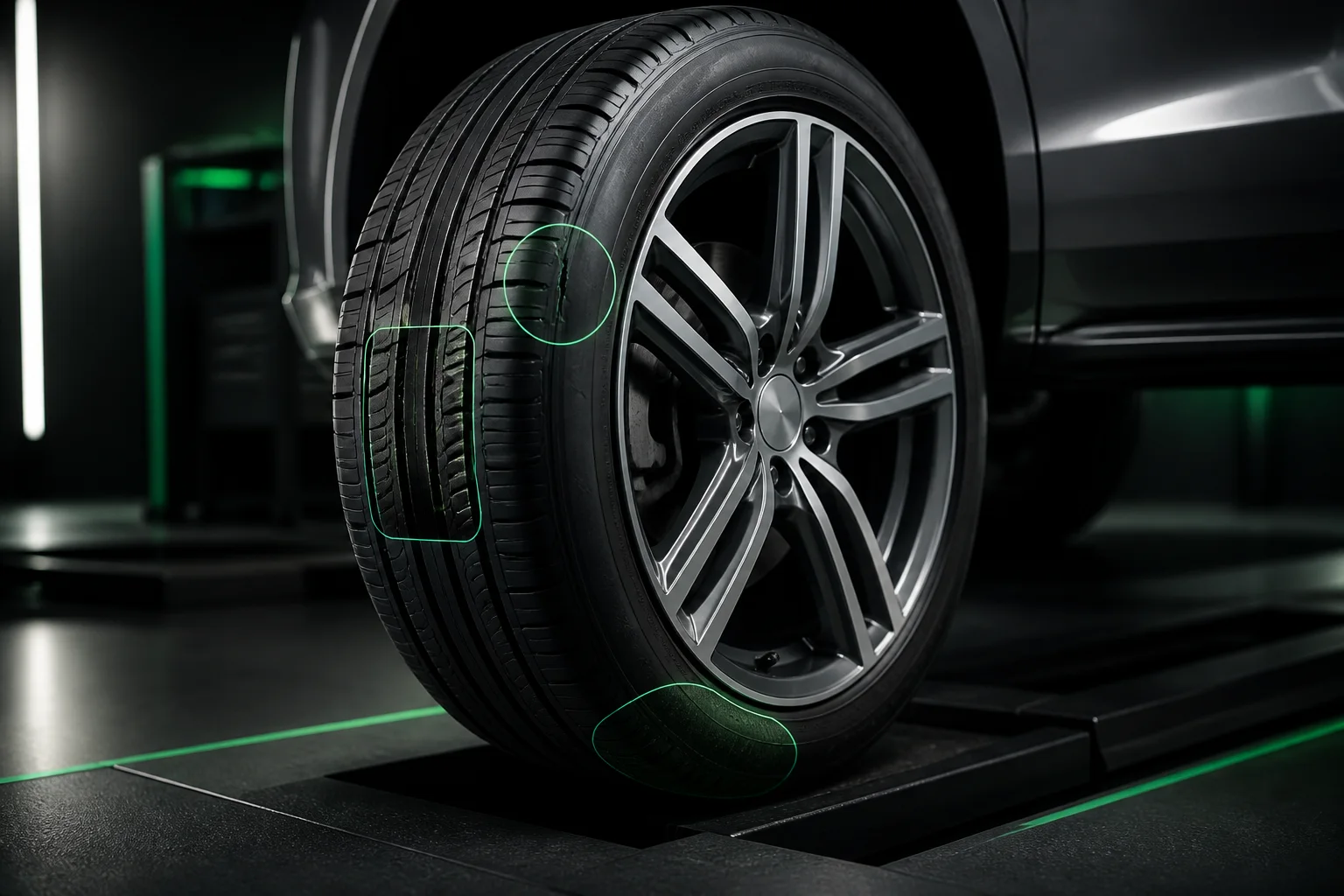
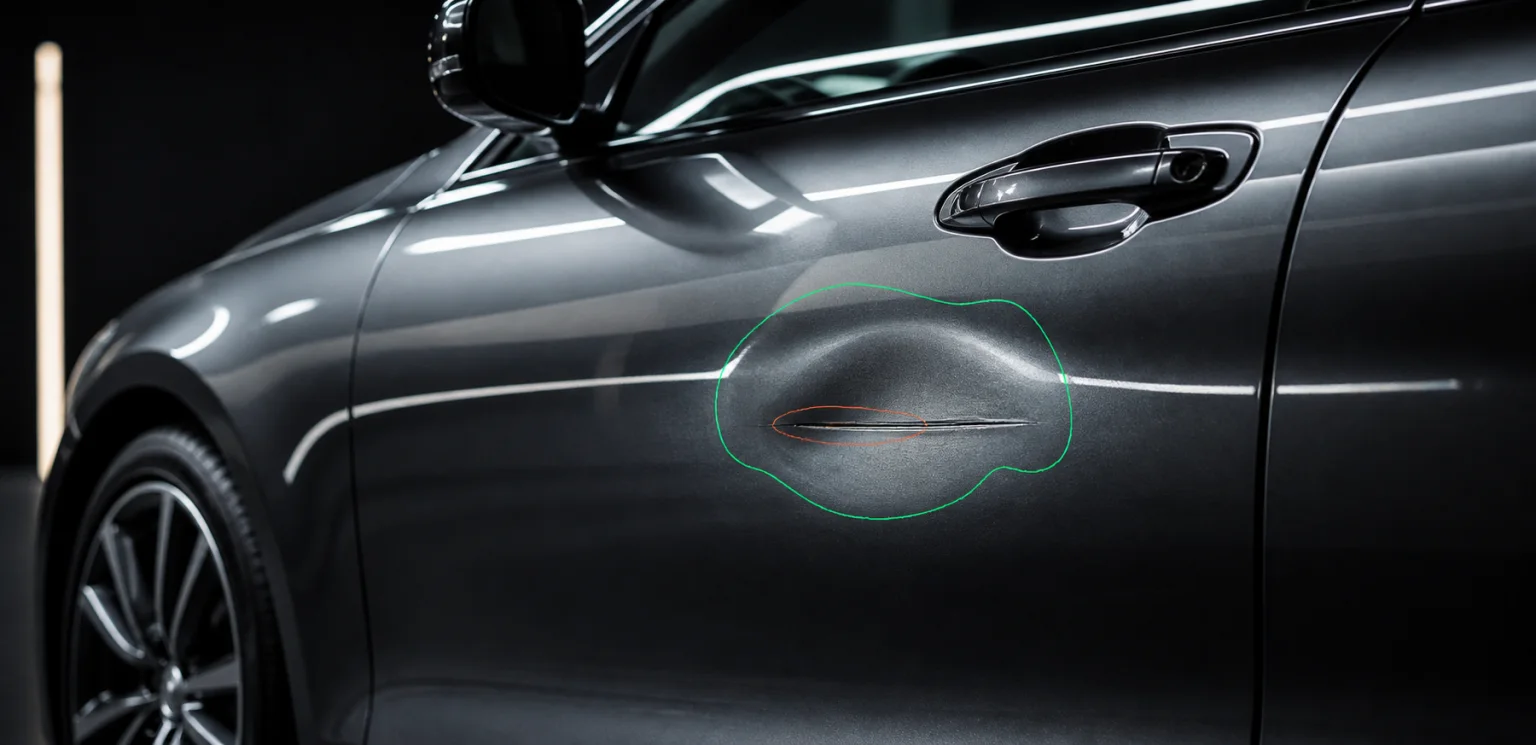
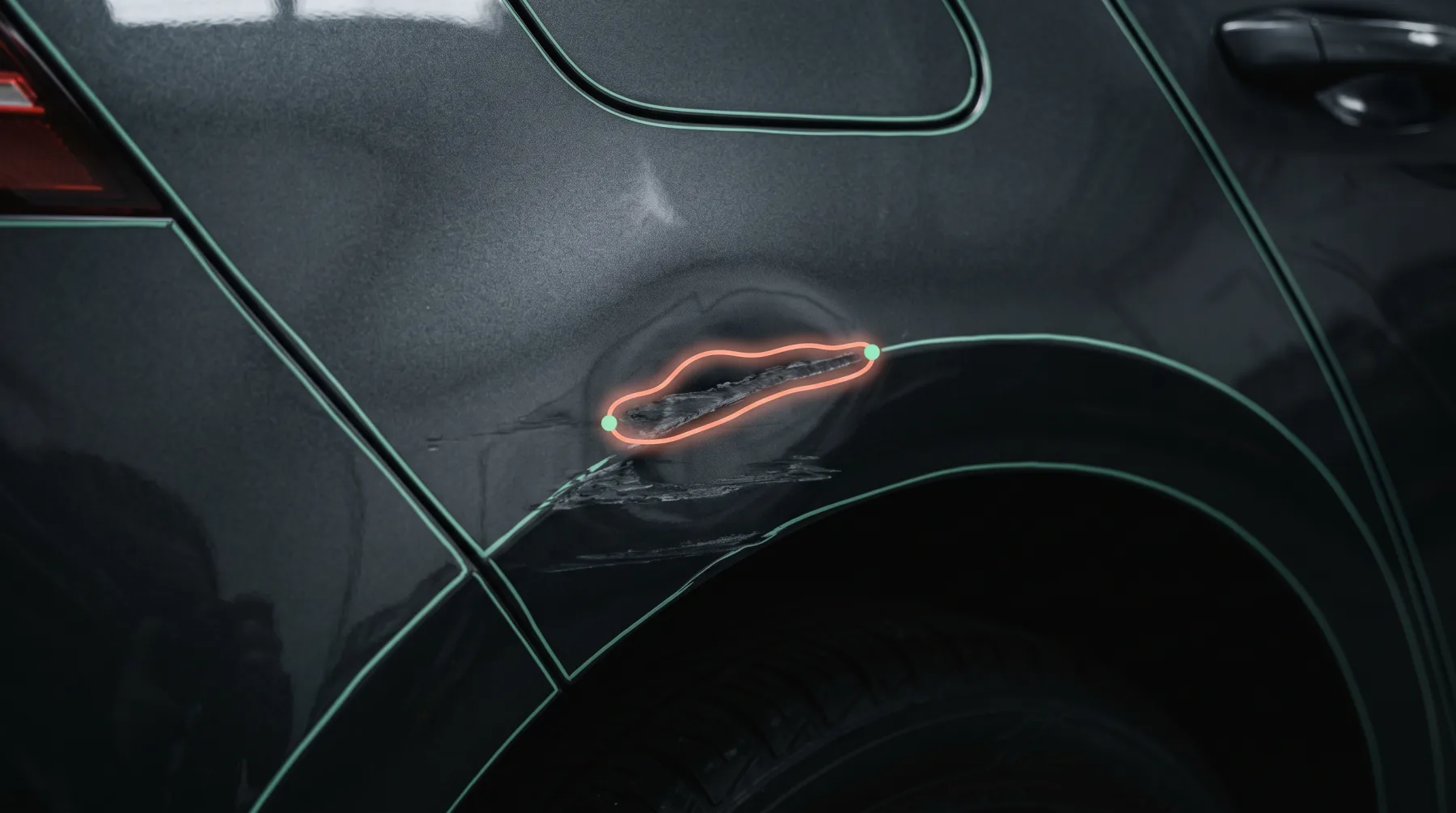
  • Pixel masks, not bounding boxes, for vehicles, panels and damages
  • Damage typing and a severity grade per detection
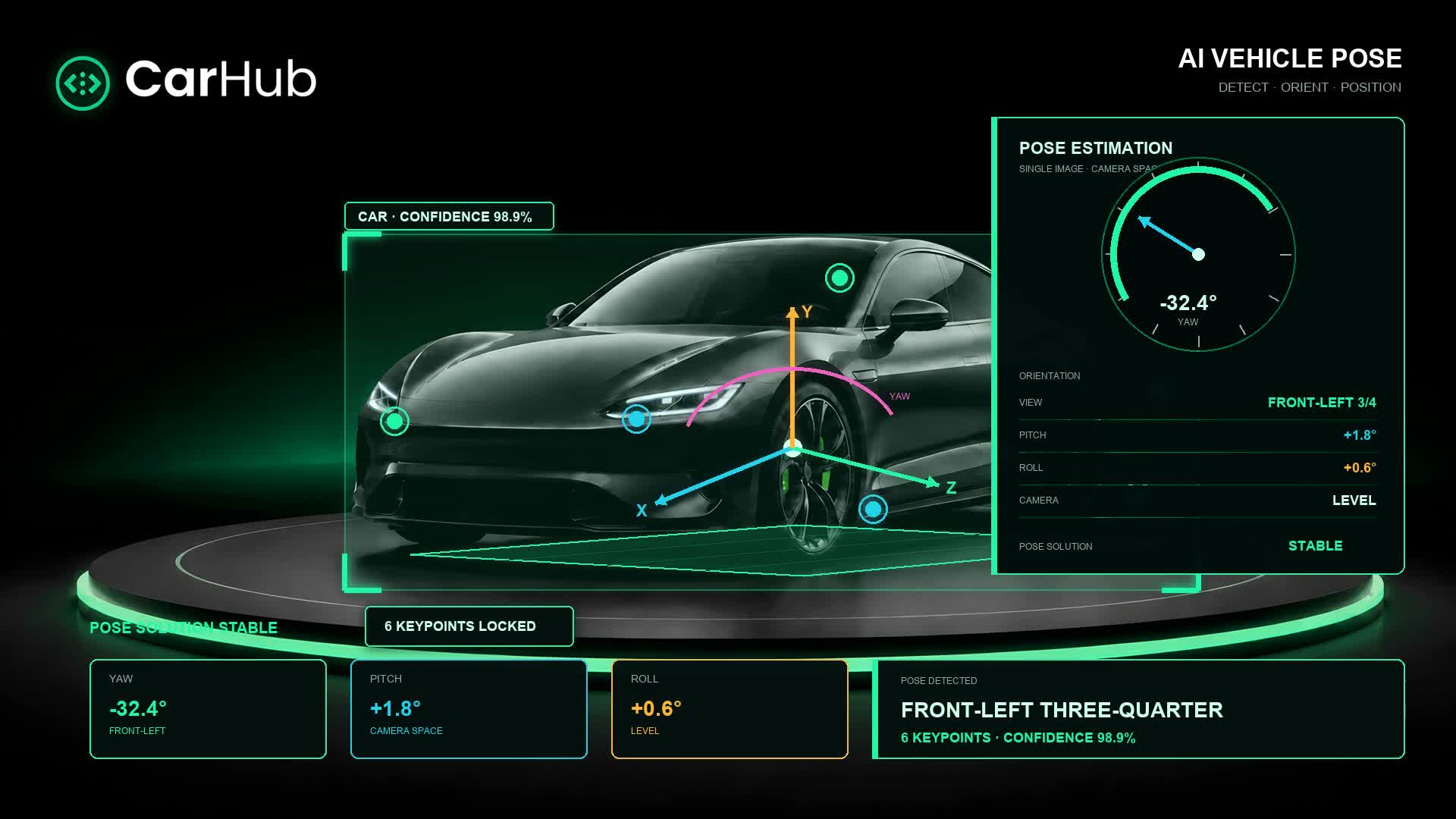
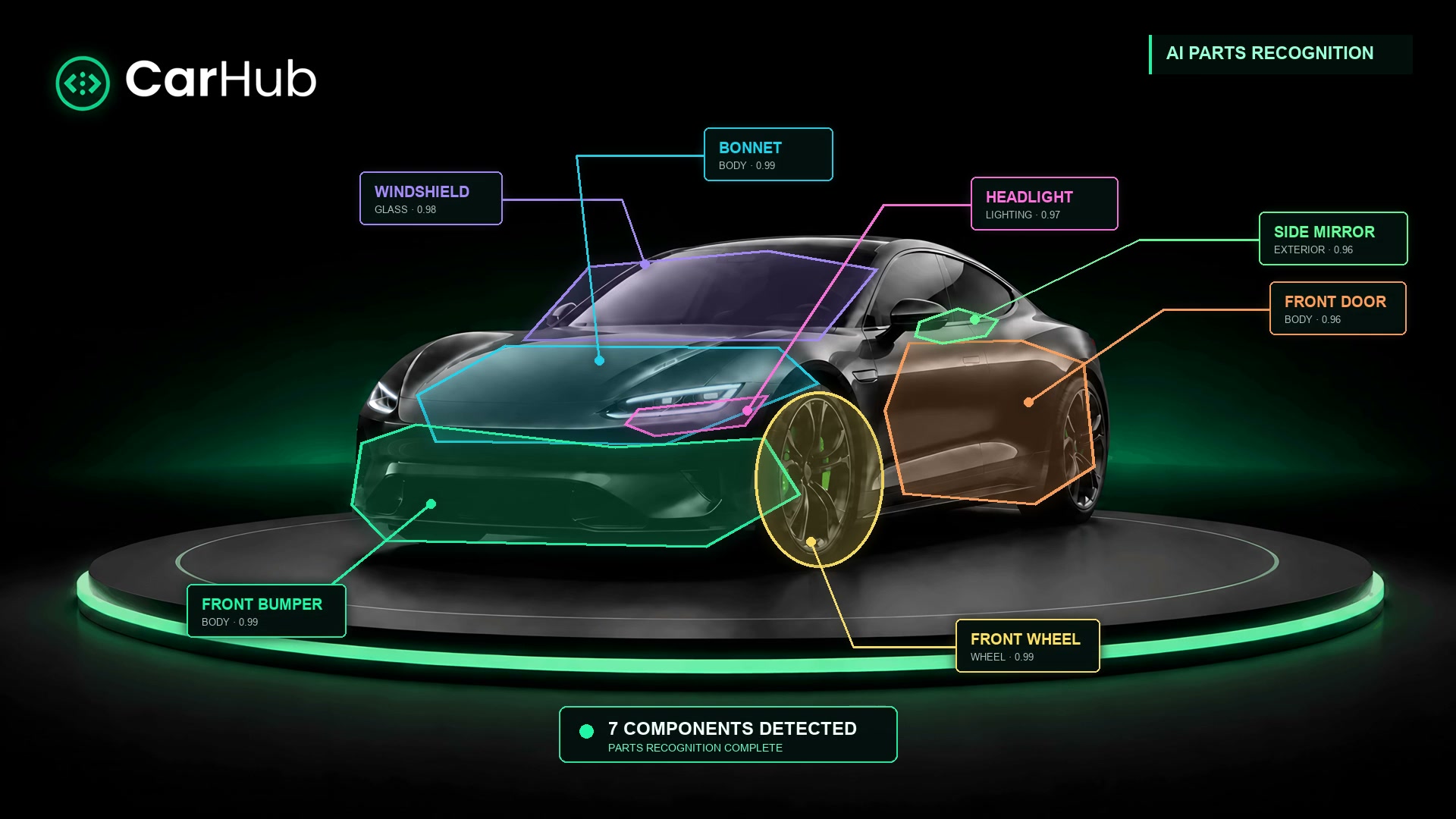
  • Panel-level part identity, so a label belongs to a named component
  • Shot position per frame, so a set can be reassembled in order
  • A schema that matches the API response, so nothing needs remapping

Teams training or benchmarking their own vision models who would otherwise spend the first two quarters labelling.

Raw

Unlabelled

The imagery without labels: real capture conditions, phone cameras, forecourts and driveways, at the volume that self-supervised work needs.

  • Original frames, not the rendered or enhanced versions
  • Walkaround sets kept whole rather than split into loose images
  • Real conditions — weather, glare, dirt, awkward angles, mixed devices
  • Capture metadata where it exists, so sets can be grouped
  • Plate neutralisation available on request, using the same model the API exposes

Pre-training, self-supervised and augmentation work, and anyone who wants to apply their own labelling standard rather than adopt ours.

Coverage

Labelled for everything the models read.

The annotated set covers the same 24 models the API exposes, in the same schema — so a response you have already parsed and a training label you have just bought are the same shape.

A

Understand the vehicle

Car & Position Analyser · Car Segmentation · Vehicle Model Detection · VIN Reader · License Plate Reader · Document Reader · Dashboard & Mileage Reader · Engine Fault Sound Detection · Video Onboarding

B

Damage & condition

Damage Detection · Car Severity Estimation · Tire Reading · Tire Wear Detection

C

Parts

Car Parts Recognition · Car Parts Segmentation · Car Parts Decomposition

D

Money

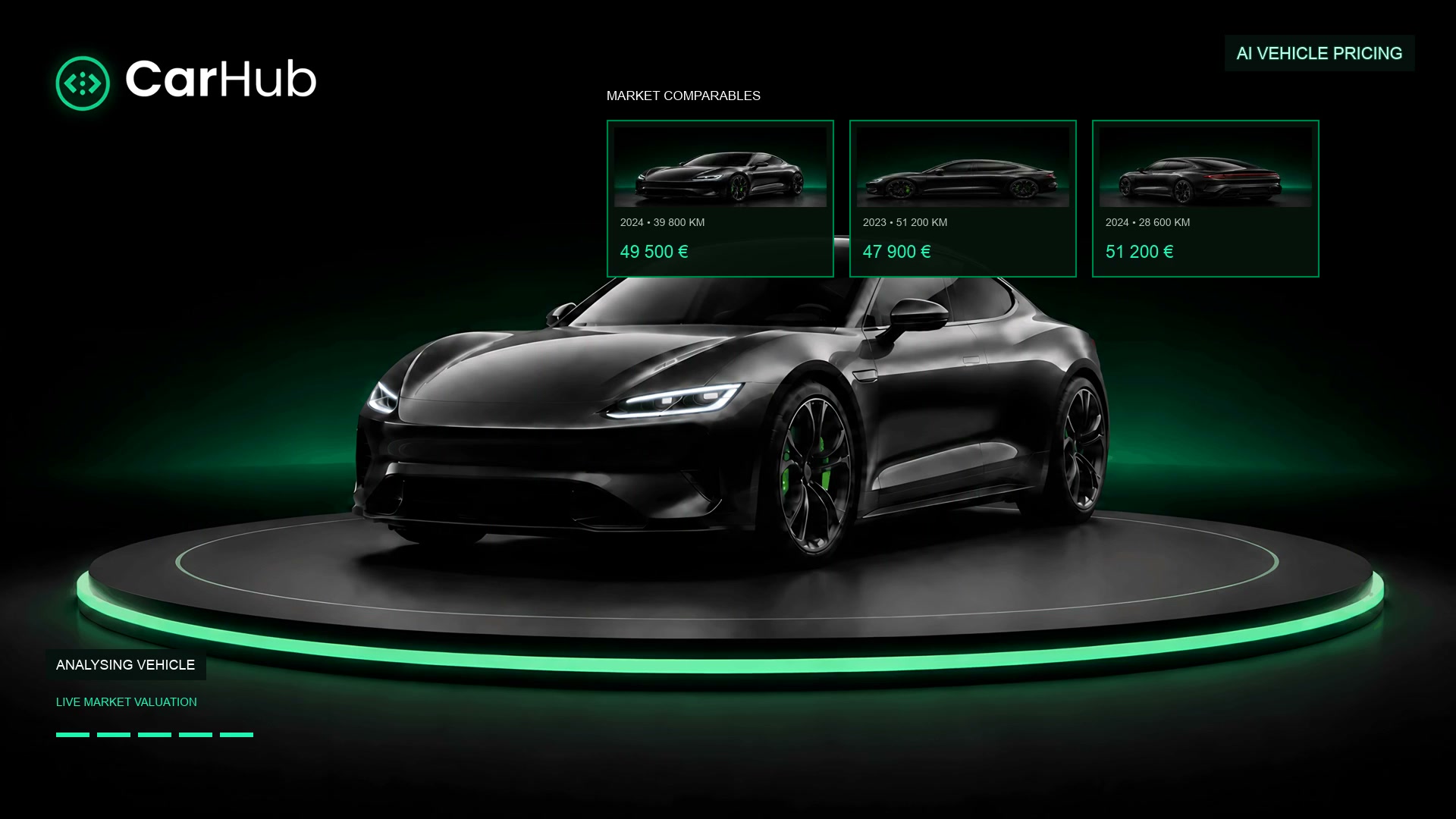
Car Pricing · Car Reparation Pricing

E

Image production

Image Backgrounding · Quality Improver · License Plate Replacer · 360 Generation · Ad Video Generation

F

Presentation

360 Viewer & Hotspoter

How it works

A sample before a contract.

You should see whether our labels match how you think about a vehicle before anyone negotiates volume. The order is deliberate.

  1. 01

    Tell us the shape

    Which annotations, which conditions, how many frames, and whether you need sets kept whole. A paragraph is enough to know if the corpus covers it.

  2. 02

    A sample first

    A small extract against your real pipeline, before any commitment. If the labels do not match how you think about damage, better to find that out on a sample.

  3. 03

    Scope and terms

    Volume, refresh, permitted use and anonymisation, written down. What you may train on and what you may redistribute are separate questions and get separate answers.

  4. 04

    Delivery

    Signed download links scoped to your account, using the same storage layer the API issues upload links from.

What we don't claim

The parts a dataset page usually skips.

Four things you would otherwise have to ask on a call, and one of them is a question for your lawyers rather than for us.

No published price
Datasets are quoted per scope, because a million raw frames and a million labelled panels are not the same product. There is no per-image rate card to point you at.
Licensed, not sold
You get permitted use for training, on agreed terms. Redistribution and resale are not included by default, and the agreement says which is which.
Anonymisation is a choice you make
Plates can be neutralised before delivery with the same model the API exposes. Whether that is required for your jurisdiction and your use is a question for your counsel, not a claim we make for you.
Labels are a standard, not a truth
Our annotations follow our schema and our severity definitions. Where your taxonomy differs, the sample stage is where that surfaces — before you have paid for a mapping exercise.

Not to be confused with

Layer 3 is also called Data, and it is a different product: per-vehicle lookup — VIN decode, history, valuation, recalls — one record at a time, behind the same key. This page is bulk imagery for training. If you wanted the former, it is one click away.

See Layer 3 · Data

Get a sample

Tell us what you are trying to train.

Which annotations, roughly how many frames, and what you are building. We will come back with a sample extract and what a full scope would look like.