






Damage detection
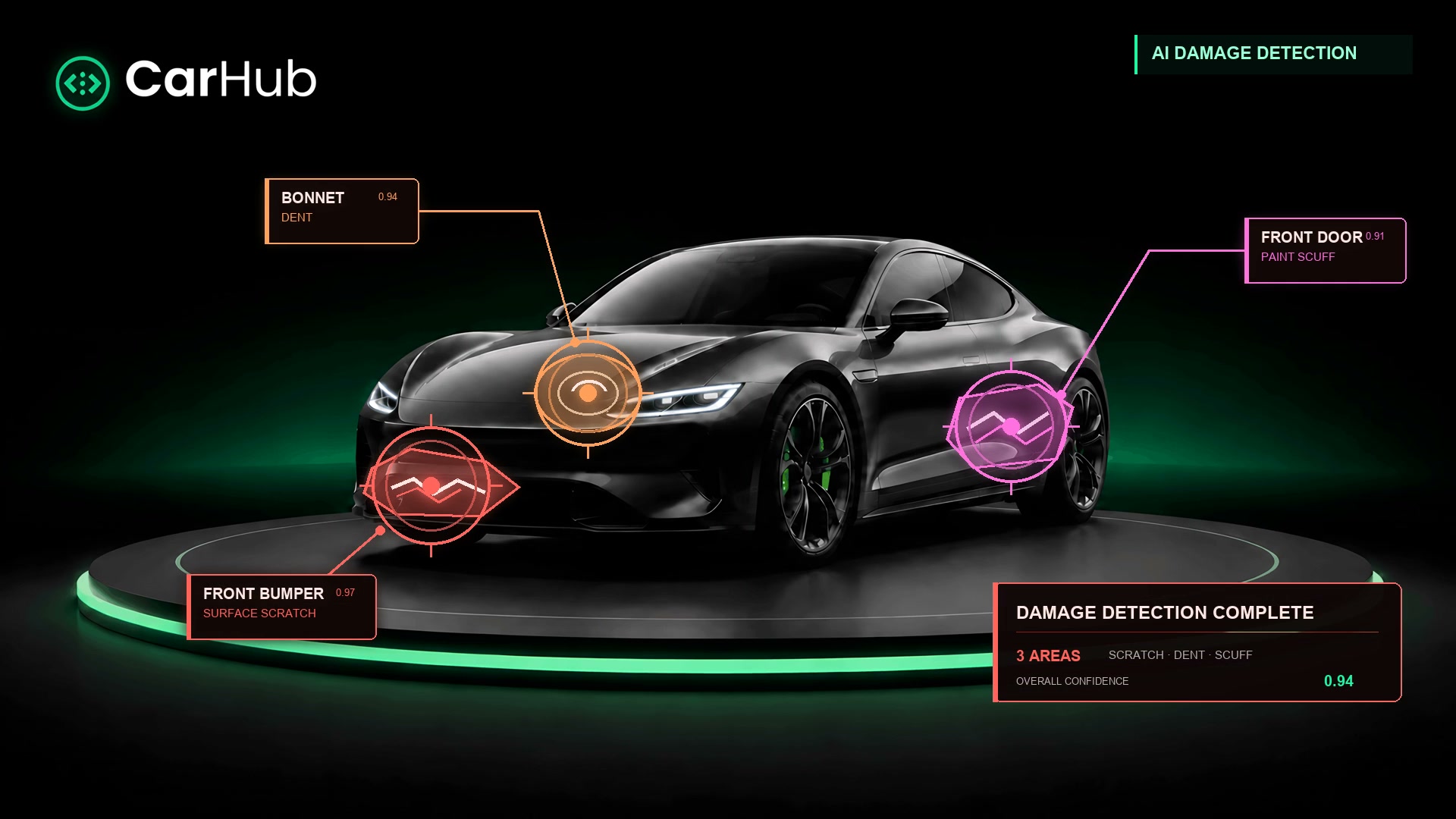
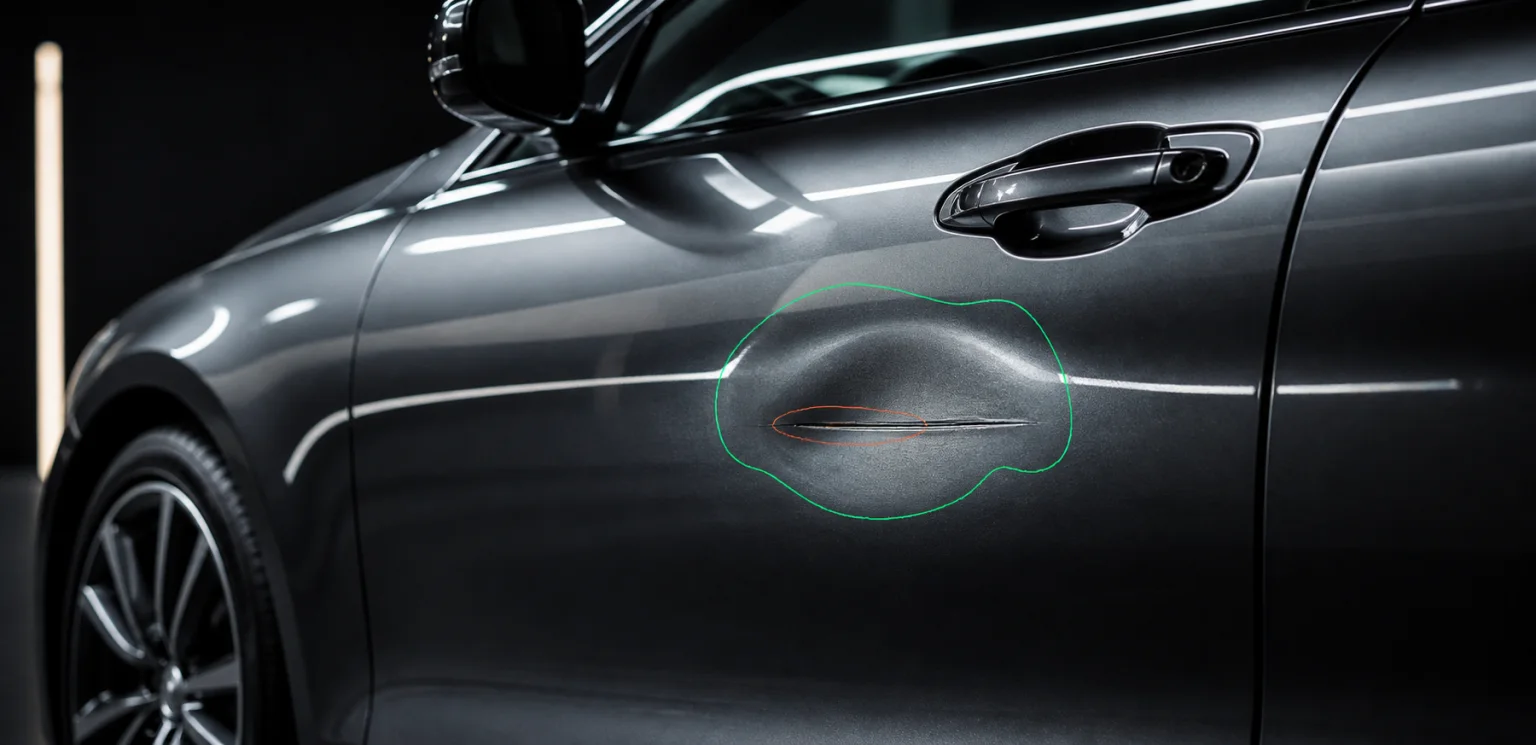
Return typed masks for visible exterior damage instead of a single opaque condition score.
POST /v1/damage/detectDamage intelligence
Turn a guided photo set or walkaround into damage masks tied to named body parts, ready for triage, handover or review.
/v1/damage/detectper imageThe result
Every result remains traceable to a mask, a body part and the exact source frame a reviewer can reopen.
Included capabilities
Use the complete workflow or call each stage independently. Every capability below maps to a production endpoint.
Return typed masks for visible exterior damage instead of a single opaque condition score.
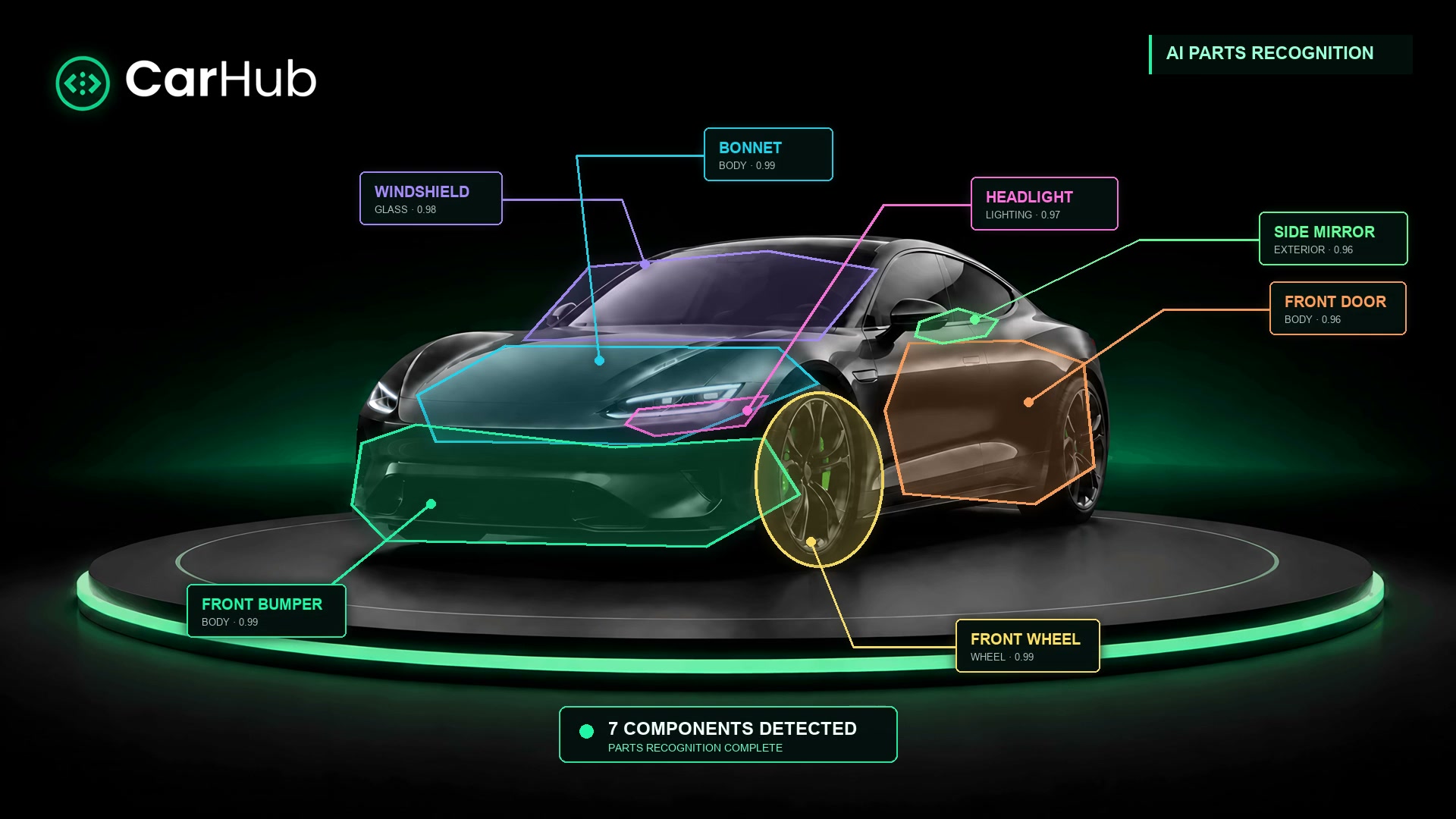
POST /v1/damage/detectAssociate each detection with a door, bumper, fender or other named component.
POST /v1/parts/segmentGrade individual detections so your own rules can fast-track, refer or compare them.
POST /v1/damage/severityCombine observed damage with your rate card to produce an explainable estimate.
POST /v1/pricing/repairImplementation path
Collect a complete exterior photo set by vehicle position.
Build the body-panel map that keeps every result attached to a named component.
Locate visible damage, type it and optionally run a separate severity stage.
Feed structured results into your triage, charge, claim or arbitration rules.
Boundary
The models report visible evidence. Coverage, liability, fair wear and repair approval remain decisions made by your rules and your reviewers.
More solutions
Start with real source material and agree on the output before planning an integration.
Get API keys